CS Fundamentals: Master Computer Science Basics | Complete Guide
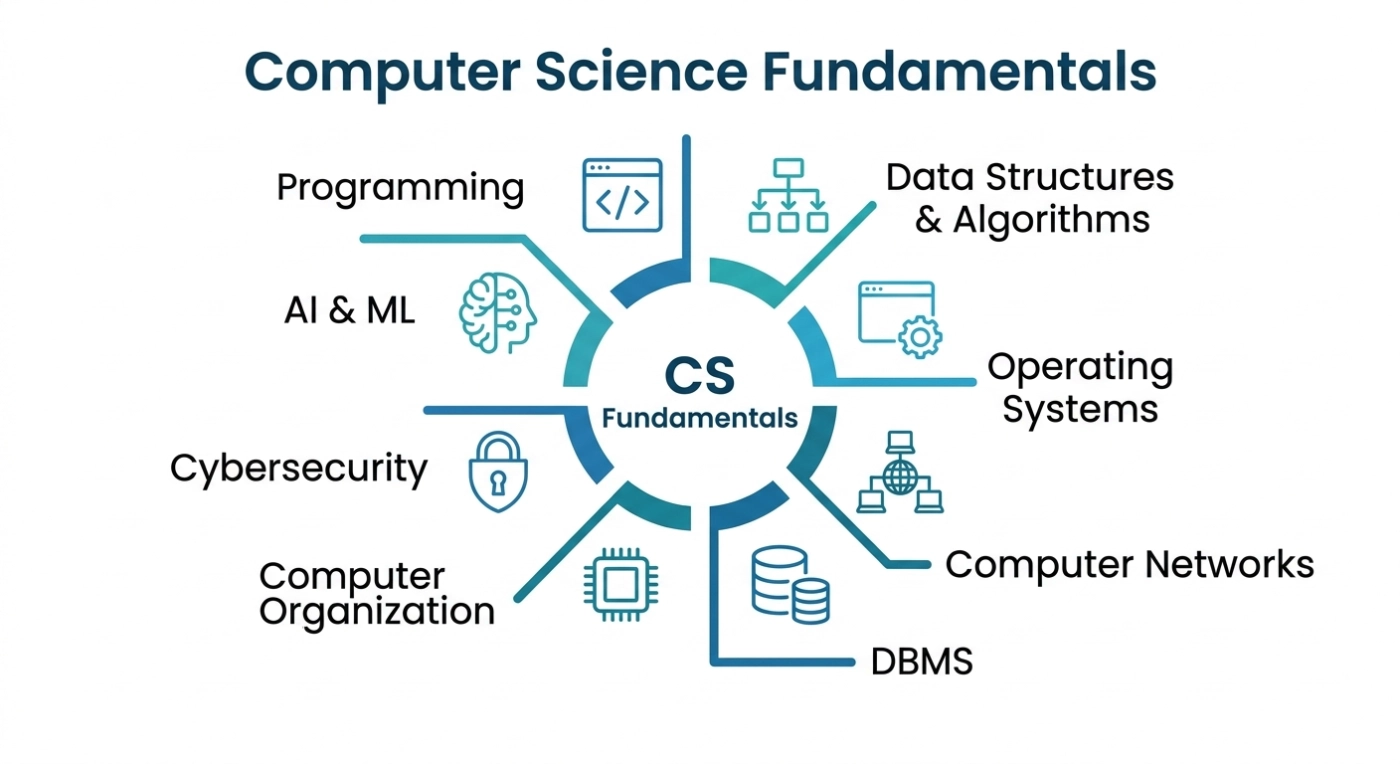
Computer science fundamentals are the core ideas every student, developer and exam candidate keeps coming back to: how data is stored, how programs run, how machines talk to each other, and how the theory underneath it all fits together. This hub gathers DiffStudy’s “difference between” guides into one map, organised by topic, so you can move from one concept to the next without hunting.
Each link below leads to a focused comparison with clear explanations, diagrams and examples. Start with whatever you are revising today, or work through a section end to end. The topics lean towards the GATE and university CS syllabus, with plenty of interview-ready material.
Table of Contents
- 1. Programming & Languages
- 2. Object-Oriented & Java
- 3. Data Structures & Algorithms
- 4. Digital Logic & Theory of Computation
- 5. Computer Organization & Architecture
- 6. Operating Systems
- 7. Computer Networks
- 8. DBMS & Data
- 9. Cybersecurity & Cryptography
- 10. Computer Graphics
- 11. AI, ML & Emerging Tech
- 12. Software Engineering, Cloud & DevOps
Programming & Languages
How code is written, translated and run — the languages and the small but exam-favourite distinctions in C, Java and Python.
- Compiler vs Interpreter
- OOP vs POP and Procedural vs Object-Oriented Programming
- Java vs Python and Java vs JavaScript
- C vs C++
- JDK vs JRE vs JVM
- Python List vs Tuple vs Set vs Dictionary and Python Lists vs Tuples
- while vs do-while Loop
- malloc vs calloc and Call by Value vs Call by Reference
- Structure vs Class in C++ and Structure vs Union
- Algorithm vs Flowchart
Object-Oriented & Java
The OOP pillars and the Java specifics that come up constantly in interviews.
- Inheritance vs Polymorphism
- Compile-Time vs Run-Time Polymorphism
- Method Overloading vs Overriding
- Abstraction vs Encapsulation
- Abstract Class vs Interface vs Final Class
- Checked vs Unchecked Exceptions
- HashMap vs HashSet and HashMap vs Hashtable
- map vs unordered_map in C++
- List vs ArrayList
- String vs StringBuilder vs StringBuffer
- Comparable vs Comparator
- map vs flatMap in Streams
- Shallow Copy vs Deep Copy
Data Structures & Algorithms
The building blocks of efficient code and the algorithms that operate on them, plus the complexity notation you need to compare them.
- Array vs Linked List and Stack vs Array
- Stack vs Queue
- Linear vs Non-Linear Data Structures
- Graph vs Tree and Binary Tree vs Binary Search Tree
- Quad Trees vs KD Trees
- Stack vs Heap Memory Allocation
- Serialize vs Deserialize a Binary Tree
- DFS vs BFS and Prim’s vs Kruskal’s Algorithm
- Big O vs Big Theta vs Big Omega and Time Complexity
- Priority Queue Time Complexity
- NP-Hard vs NP
- Merge Sort vs Quick Sort
Digital Logic & Theory of Computation
The automata that define what machines can compute, and the circuits that build them in hardware.
- DFA vs NFA
- Mealy vs Moore Machines
- Combinational vs Sequential Circuits
- Half Adder vs Full Adder
- Multiplexer vs Demultiplexer
- Latch vs Flip-Flops
- Integrator vs Differentiator
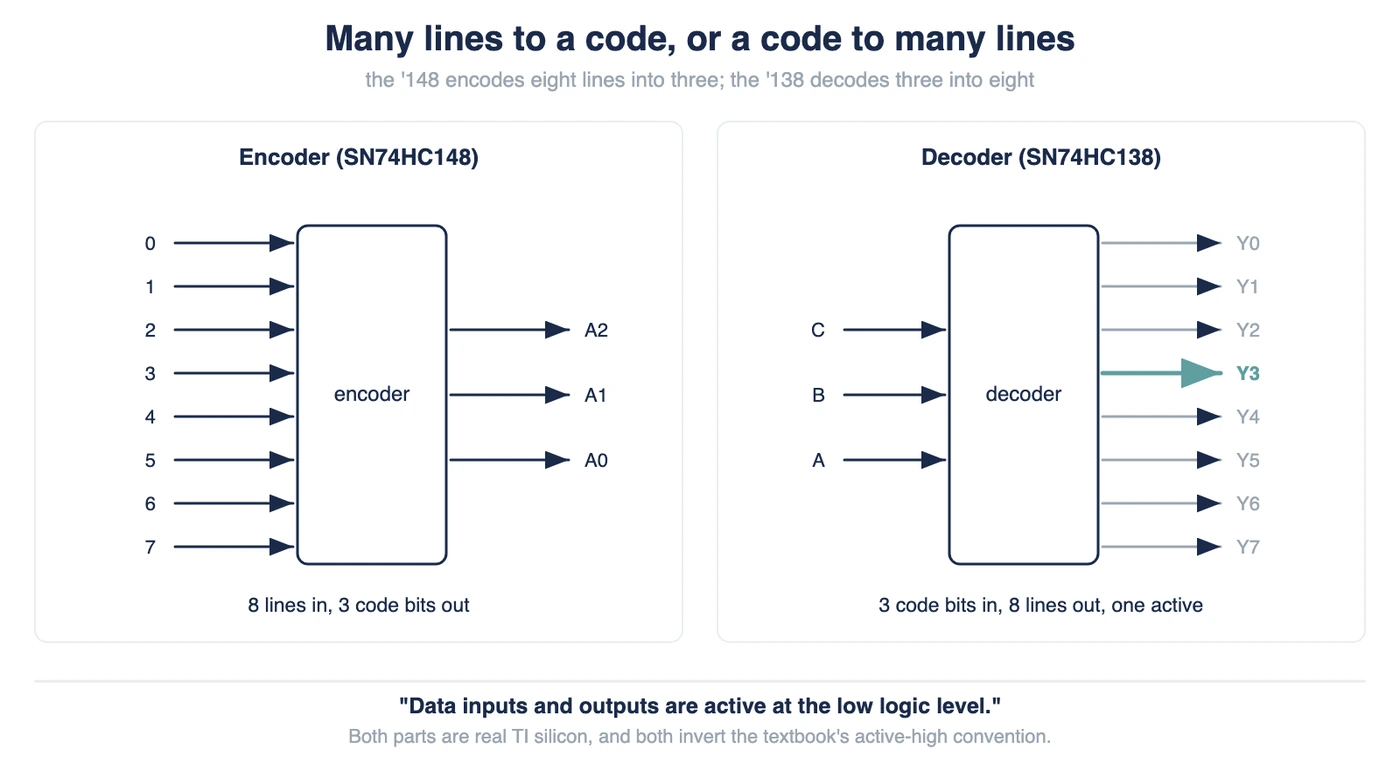
- Encoder vs Decoder
Computer Organization & Architecture
How the machine is built and how its parts work together, from the instruction set down to memory and storage.
- Computer Architecture vs Organization and Hardware vs Software
- RISC vs CISC
- Microprocessor vs Microcontroller and 8085 vs 8086
- Intel vs AMD Processors
- Hardwired vs Micro-Programmed Control
- RAM vs ROM and SRAM vs DRAM
- SATA vs PATA and SCSI vs IDE
- Latency vs Throughput
- Cache Mapping: Direct vs Associative vs Set-Associative
Operating Systems
The software that manages processes, memory and scheduling so everything else can run.
- Process vs Thread and Process vs Program
- Preemptive vs Non-Preemptive Scheduling and Job Scheduler vs CPU Scheduler
- Multiprogramming vs Multiprocessing
- Paging vs Segmentation and Internal vs External Fragmentation
- Logical vs Physical Memory Addresses
- Static vs Dynamic Memory Allocation
- Hard Link vs Soft Link in Linux
- 32-bit vs 64-bit Operating Systems
- Semaphore vs Mutex
Computer Networks
How devices connect and communicate, from the reference models down to addressing, transmission and routing.
- OSI Model vs TCP/IP Model
- TCP vs UDP and Connection-Oriented vs Connectionless
- IPv4 vs IPv6 and Classful vs Classless Addressing
- MAC Address vs IP Address
- Hub vs Switch and Mesh vs Star Topology
- STP vs UTP and Bluetooth vs Wi-Fi
- Simplex vs Half-Duplex vs Full-Duplex and Synchronous vs Asynchronous Transmission
- Distance Vector vs Link State Routing and Proactive vs Reactive Routing
- Stateless vs Stateful Protocols
- Internet vs Intranet, VPN vs Proxy Servers and SD-WAN vs VPN
- AODV vs DSR Routing
- DSDV vs AODV Routing
- Go-Back-N vs Selective Repeat
- MANET vs VANET
- Flow Control vs Congestion Control
DBMS & Data
Storing, querying and modelling data — SQL essentials, keys and indexes, and how data warehouses and schemas are organised.
- SQL vs NoSQL
- DDL vs DML
- WHERE vs HAVING Clause
- DELETE vs TRUNCATE and DROP vs TRUNCATE
- Primary Key vs Unique Key and Primary Key vs Foreign Key
- Clustered vs Non-Clustered Index
- Star vs Snowflake Schema
- File Systems vs Databases and Logical vs Physical Data Independence
- Data Mining vs Data Warehousing
- Structured vs Semi-Structured vs Unstructured Data
- Generalization vs Specialization
- Lossless vs Lossy Decomposition
- B-Tree vs B+ Tree
Cybersecurity & Cryptography
The ciphers, keys and protocols that keep data private and secure, including where post-quantum cryptography is heading.
- Symmetric vs Asymmetric Keys
- Block Cipher vs Stream Cipher
- Monoalphabetic vs Polyalphabetic Ciphers
- SSL vs TLS
- Post-Quantum Cryptography vs RSA and ECC
Computer Graphics
The transformations and techniques that turn coordinates into the images on a screen — one of the site’s strongest-performing topic areas.
- Windowing vs Clipping
- Viewport vs Window and Viewing Transformations
- Geometric vs Coordinate Transformation
- Perspective vs Parallel Transformation
- Horizontal vs Vertical Retrace
- 2D vs 3D Transformation
- DDA vs Bresenham Line Drawing
- Flood Fill vs Boundary Fill
- Cohen-Sutherland vs Liang-Barsky Clipping
- Z-Buffer vs Painter’s Algorithm
- Gouraud vs Phong Shading
- Raster Scan vs Random Scan
AI, ML & Emerging Tech
The fast-moving end of computing — machine learning, the hardware that powers it, and the technologies reshaping the field.
- AI vs Machine Learning and Machine Learning vs Deep Learning
- CNN vs RNN
- GPU vs TPU vs NPU
- RAG vs Fine-Tuning and Vector vs Relational Database
- DeepSeek vs OpenAI and LangChain vs LlamaIndex
- AI Agents vs Traditional Automation
- Quantum Computing and Blockchain
- Augmented Reality vs Virtual Reality
- Web 1.0 vs Web 2.0 vs Web 3.0
- BERT vs GPT
- Temperature vs Top-p Sampling
- LoRA vs QLoRA vs Full Fine-Tuning
- Quantization vs Distillation
- MCP vs A2A Agent Protocols
- MCP vs Function Calling
- Self-Attention vs Cross-Attention
- RLHF vs DPO
- Mixture of Experts vs Dense Models
- Batch vs Layer Normalization
- Mamba vs Transformer
- Prompt Injection vs Jailbreaking
- GRPO vs PPO
- Muon vs AdamW
- Diffusion LLM vs Autoregressive
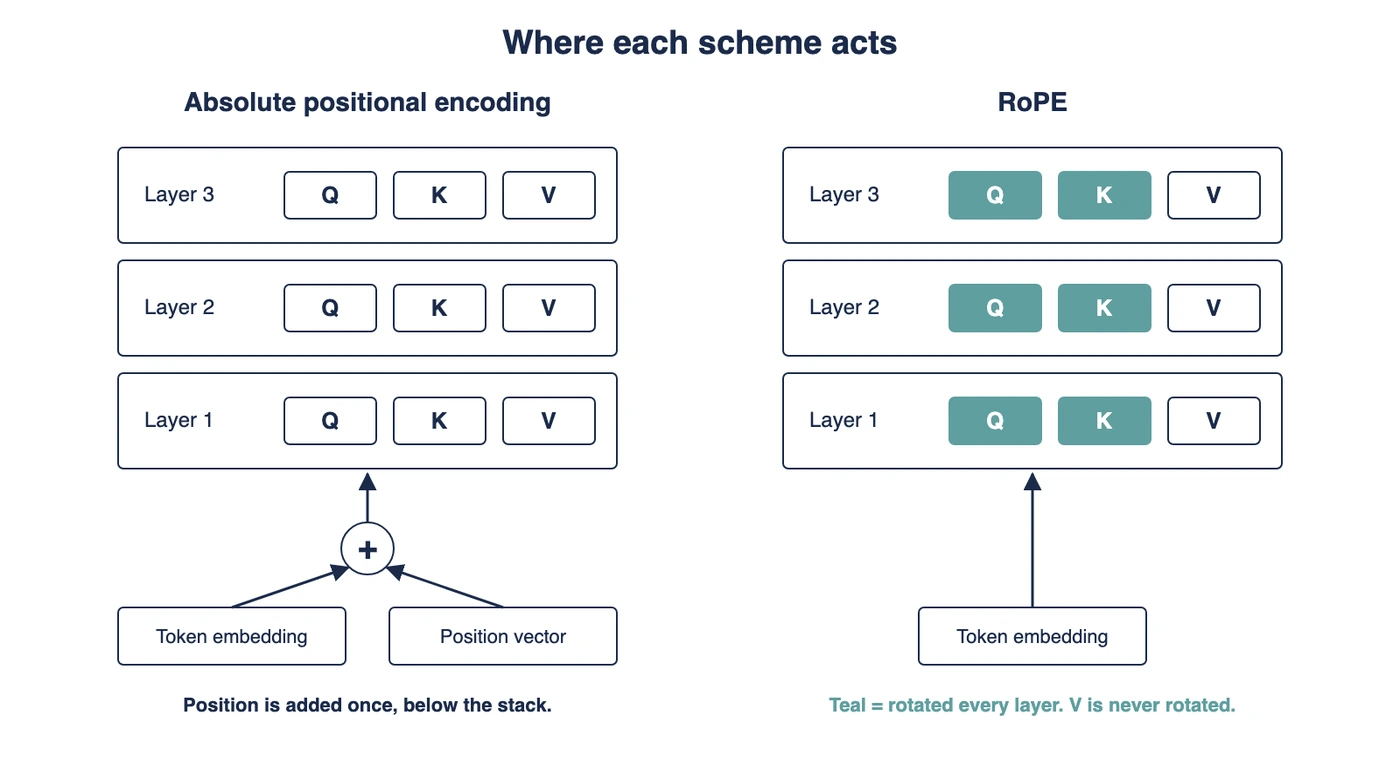
- RoPE vs Absolute Positional Encoding
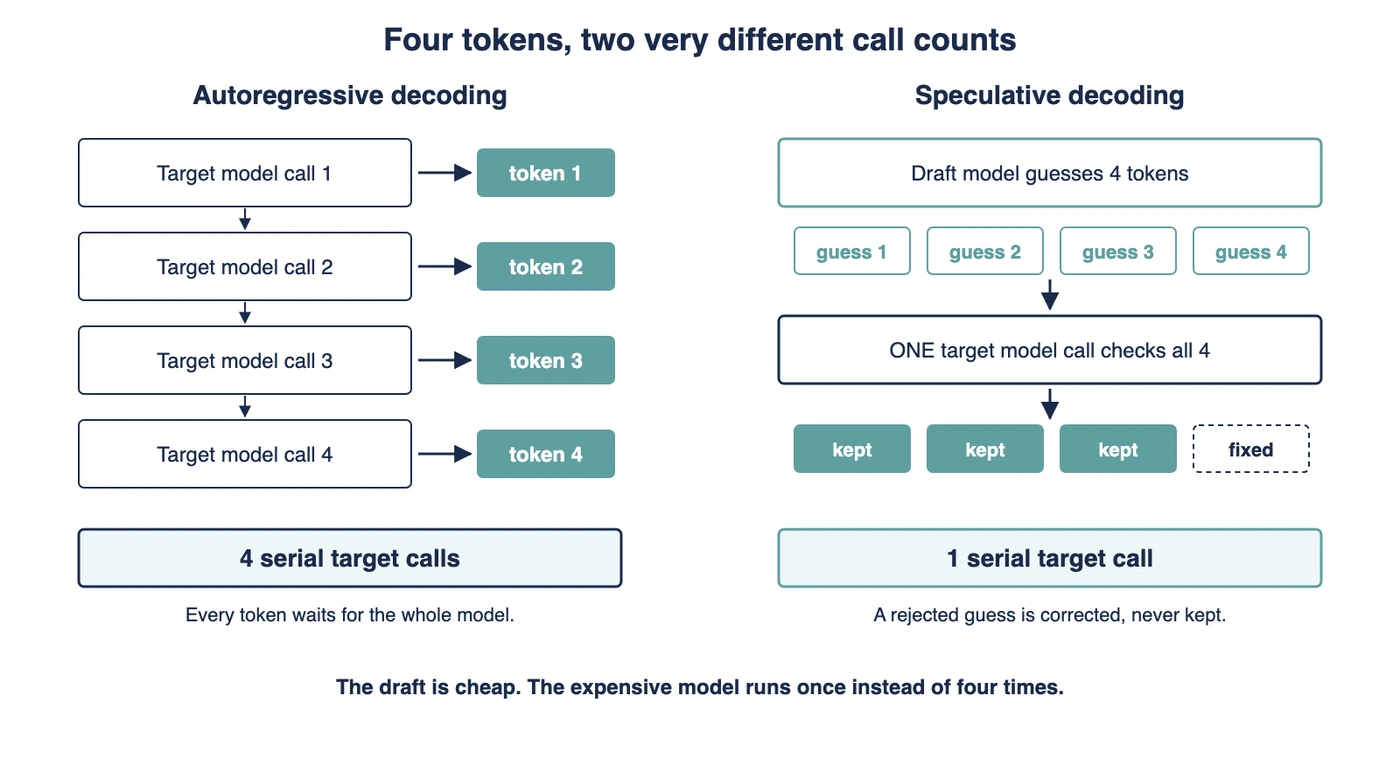
- Speculative Decoding vs Autoregressive Decoding
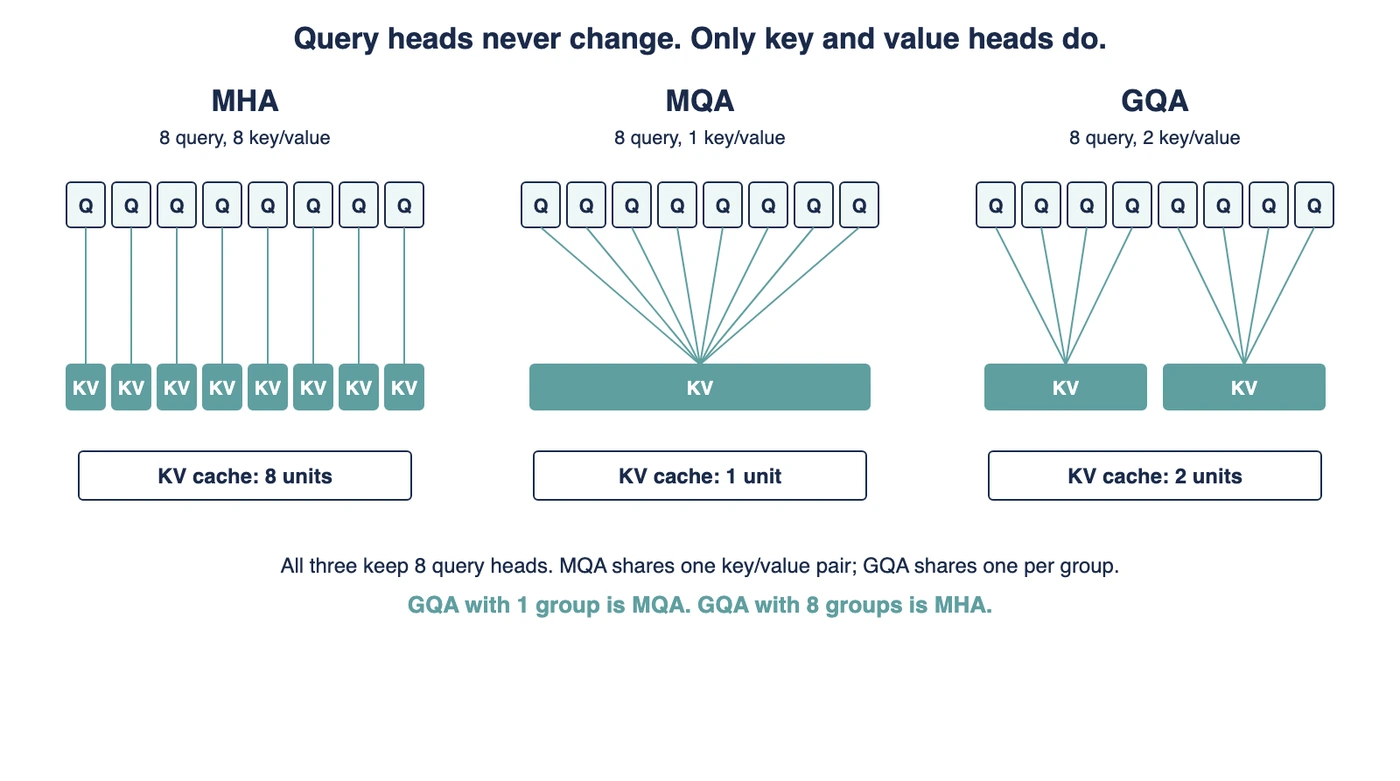
- MHA vs MQA vs GQA
Software Engineering, Cloud & DevOps
Building software that lasts and running it at scale — design and testing practice plus the cloud and DevOps stack behind modern infrastructure.
- High-Level vs Low-Level Design
- Black Box vs White Box Testing
- Gantt Chart vs PERT and CMM vs ISO 9000
- System vs Application Programming
- Cloud Computing vs Virtualization and Virtualization Types
- IaaS vs PaaS vs SaaS
- Kubernetes vs Docker Swarm and EKS vs Self-Managed Kubernetes
- Jenkins vs GitHub Actions and Terraform vs CloudFormation
- DevSecOps vs DevOps and MLOps vs DevOps
- Distributed vs Parallel Computing, Grid vs Cluster Computing and Elastic Computing
Frequently Asked Questions
What are computer science fundamentals?
Computer science fundamentals are the core areas every CS student and developer builds on: programming and languages, data structures and algorithms, operating systems, computer networks, databases, computer organization, the theory of computation, cybersecurity, and the basics of AI. Together they explain how data is stored, how programs run, and how systems communicate.
How should I study CS fundamentals for GATE or interviews?
Work topic by topic rather than at random. Pick one area, such as operating systems or data structures, and read through its comparisons until the distinctions are clear, then test yourself on the differences. Comparison-style learning works well because most exam and interview questions are framed as “what is the difference between X and Y”. Use the sections above as a checklist.
Which CS fundamentals matter most for coding interviews?
Data structures and algorithms carry the most weight, followed by operating systems, databases and networking concepts. Object-oriented programming and language-specific details, especially in Java and Python, also come up often. The Data Structures and Algorithms, Object-Oriented and Java, Operating Systems and DBMS sections above are the best places to start.