Perspective vs Parallel Transformation: Graphics Battle

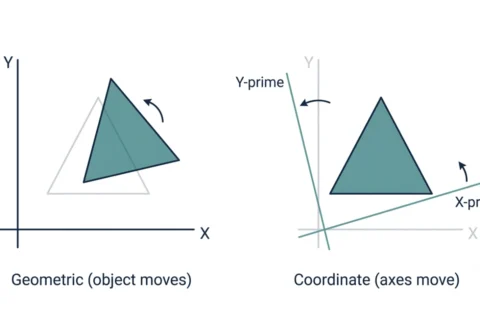
In computer graphics, perspective vs parallel transformation define how objects are projected onto a 2D plane. Perspective transformation creates depth by making distant objects appear smaller, while parallel transformation maintains object proportions without distortion. This guide explores their differences and…
Windowing vs Clipping in Computer Graphics

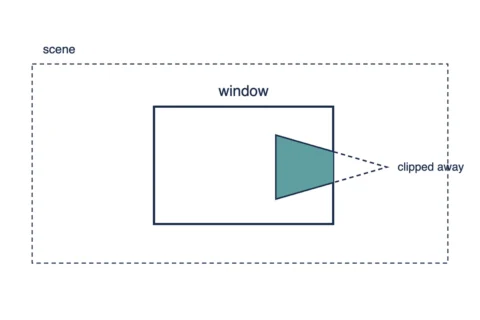
In computer graphics, windowing vs clipping are essential techniques for controlling what is displayed on the screen. Windowing defines the visible portion of a scene, while clipping removes parts of objects outside a defined boundary. This guide explains their key…

Frequency Modulation vs Amplitude Modulation

Introduction In the realm of communication, two fundamental techniques have revolutionized the way we transmit and receive signals: Frequency Modulation (FM) and Amplitude Modulation (AM). As businesses and individuals seek to understand the nuances between these two methods, it becomes…

CNN vs RNN: Key Differences

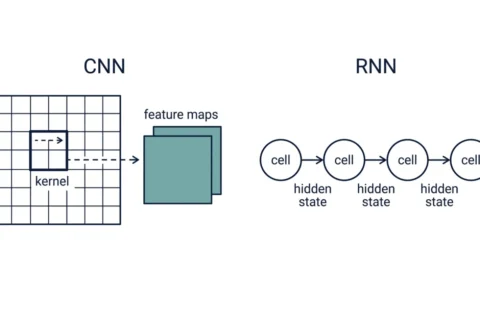
The short answer A CNN (Convolutional Neural Network) suits grid-like data, such as images. It slides small filters across the input and shares those weights across space. An RNN (Recurrent Neural Network) suits sequential data, such as text or time…

You cannot copy content of this page